Are you curious about where Abu Dhabi’s residential property prices are headed by 2026? Whether you’re planning to buy your dream home or considering an investment, understanding the future market trends can give you a serious edge.
Property prices in Abu Dhabi are influenced by many factors, and knowing what to expect can help you make smarter decisions. You’ll discover key insights and forecasts that reveal how the market is shaping up. Keep reading to find out how these changes could impact your plans and what opportunities might be waiting for you in the near future.
Current Market Snapshot
The Abu Dhabi residential property market in 2026 shows steady trends. Buyers and sellers watch price changes closely. Understanding the current snapshot helps to grasp where the market stands today.
Demand, supply, and location play key roles in shaping property prices. This section breaks down recent price movements, popular areas, and market balance.
Recent Price Movements
Property prices in Abu Dhabi have seen moderate growth this year. Apartment prices rose by 3% to 5%. Villa prices showed a slight increase of 2% to 4%. The market remains stable, with no sudden drops or spikes. This steady rise reflects growing buyer confidence.
Key Residential Areas
Al Reem Island stays popular for apartments. It offers modern buildings and good amenities. Saadiyat Island attracts luxury villa buyers. Khalifa City remains a choice for affordable family homes. Each area shows different price trends based on demand and location.
Market Demand And Supply
Demand for mid-range apartments is strong. New projects add more supply to the market. Villas have limited availability, keeping prices firm. Buyer interest comes mostly from locals and expats seeking long-term homes. The balance between supply and demand supports steady price growth.
Factors Shaping Prices
Abu Dhabi’s residential property prices in 2026 will reflect many key factors. Understanding these helps buyers, sellers, and investors make better choices. Several elements work together to shape the market’s direction and value.
Economic Drivers
Economic growth fuels demand for homes and apartments. Rising jobs and incomes encourage more people to buy property. Oil prices impact Abu Dhabi’s economy strongly. When oil revenues increase, the government spends more on projects. This spending creates jobs and boosts housing needs. Tourism and trade also support economic stability. A stable economy means steady or rising property prices.
Government Policies
Government rules affect property prices directly and indirectly. New housing projects and infrastructure improve living standards. These developments raise property values nearby. Regulations on ownership and visas attract foreign buyers. Policies that ease buying processes make the market more active. Tax rules and fees also influence buyer decisions. Clear and supportive policies often lead to price growth.
Foreign Investment Trends
Foreign investors bring capital and demand to Abu Dhabi’s market. Global economic conditions impact their interest and spending power. Attractive returns and stable markets draw more investment. Political stability and safety are key factors for foreign buyers. Increased foreign investment often pushes prices upward. Trends in nearby regions can also affect Abu Dhabi’s market appeal.
Price Forecasts For 2026
The Abu Dhabi residential property market shows signs of steady changes by 2026. Price forecasts reveal trends that buyers and investors should watch closely. Understanding these projections helps in making smart decisions in a shifting market.
Predicted Price Growth
Property prices in Abu Dhabi are expected to rise moderately in 2026. Experts forecast an average growth rate of 5% to 8% across the city. This growth reflects increased demand and limited new supply. Inflation and economic recovery also support price increases. Buyers may find good opportunities before prices climb higher.
Segment-wise Projections
The luxury segment shows the strongest price gains, with growth up to 10%. Mid-range properties will see steady rises of around 6%. Affordable housing is likely to grow slower, near 3% to 5%. Apartments in central areas tend to appreciate faster than villas in outskirts. Each segment reacts differently to market forces and buyer preferences.
Emerging Hotspots
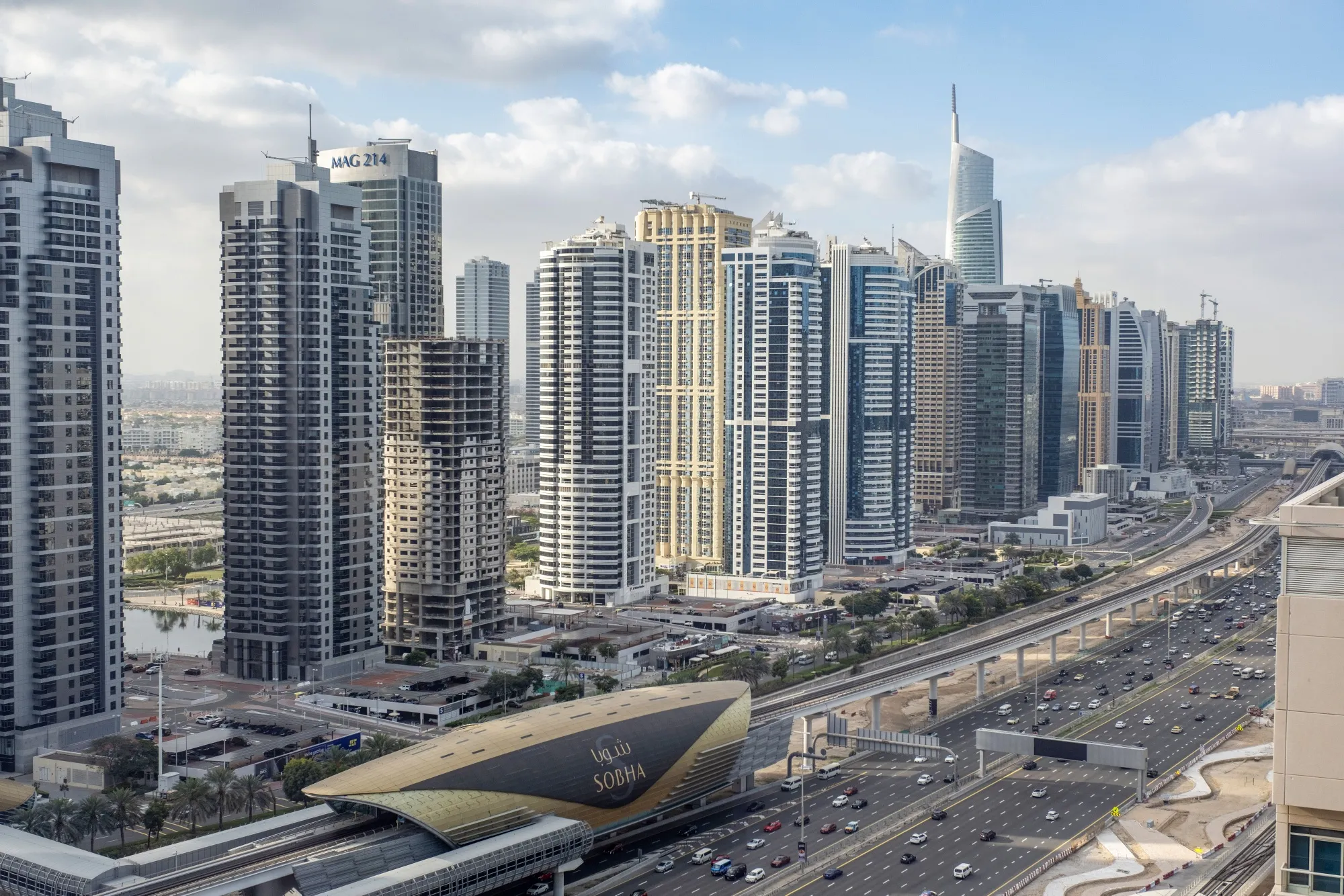
New neighborhoods are gaining attention as future growth centers. Areas like Al Raha Beach and Yas Island are becoming popular. These locations offer modern amenities and good transport links. Prices here may increase faster than in established districts. Early buyers in these hotspots could benefit from higher returns.
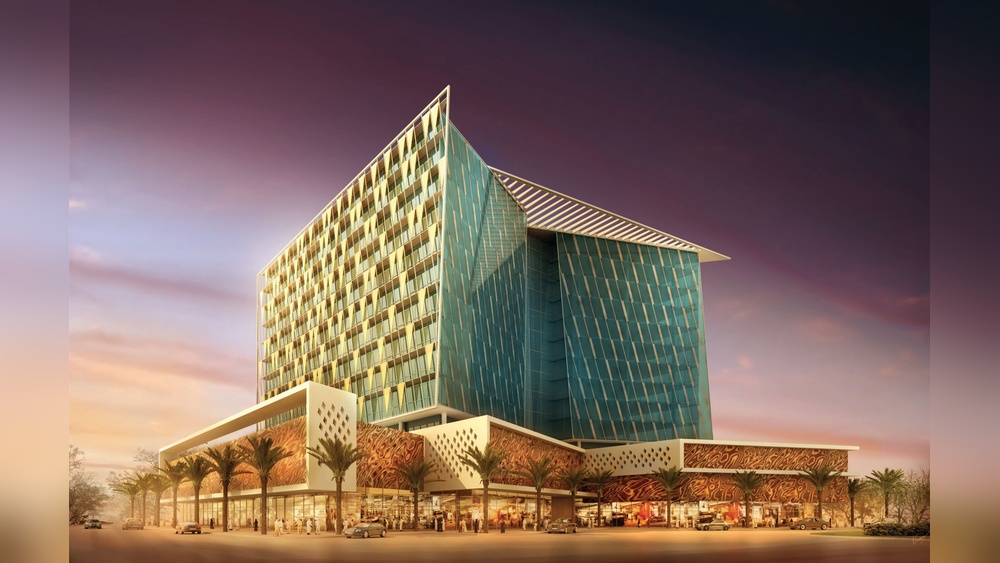
Credit: www.bloomberg.com
Trends Influencing Buyer Behavior
Buyer behavior in Abu Dhabi’s residential property market is shifting. Various trends shape how buyers decide between renting and buying. These trends affect property prices and demand in 2026.
Understanding these trends helps predict market movements. It also clarifies what buyers want and expect from properties.
Rental Vs Purchase Preferences
Many buyers weigh the benefits of renting against purchasing. Rental prices have risen steadily in Abu Dhabi. This pushes some tenants to consider buying homes instead.
Others prefer renting for flexibility and lower upfront costs. Young professionals and expatriates often choose to rent. Families tend to lean toward buying for long-term stability.
Market data shows a slight increase in purchase rates. This is due to better loan options and government incentives for buyers.
Lifestyle Shifts
Changing lifestyles strongly influence property choices. More people seek homes near parks, shops, and schools. Community living and safety are top priorities.
Smaller families and singles prefer compact apartments with modern amenities. Larger families look for spacious villas with private gardens.
Health and wellness trends encourage developments with gyms and green spaces. Buyers now favor properties that support an active lifestyle.
Impact Of Remote Work
Remote work has transformed home buying needs. Many buyers want dedicated workspaces within their homes. Quiet neighborhoods with good internet connectivity attract demand.
Remote workers spend more time at home, increasing their focus on comfort. This boosts interest in larger properties with extra rooms.
Some buyers choose suburban areas over city centers. They trade shorter commutes for more living space and tranquility.
Comparisons With Regional Markets
Comparing Abu Dhabi’s residential property prices with nearby markets reveals important trends. Understanding these differences helps buyers and investors make smart decisions. Each market shows unique strengths and challenges for 2026.
Abu Dhabi Vs Dubai
Abu Dhabi offers lower property prices than Dubai on average. This makes it attractive for those seeking affordable luxury. Dubai’s market is more volatile with faster price changes. Abu Dhabi shows steady growth with less risk. Developers in Abu Dhabi focus on quality and sustainability. Dubai emphasizes high-end and large-scale projects. Buyers find more variety in Dubai’s offerings. Abu Dhabi appeals more to long-term investors. Rental yields in Abu Dhabi tend to be stable. Dubai’s yields can be higher but less predictable.
Gcc Market Trends
Across the Gulf Cooperation Council, property markets show mixed patterns. Saudi Arabia is growing fast with new cities and reforms. Qatar prepares for events boosting demand temporarily. Oman and Bahrain offer lower prices but slower growth. Abu Dhabi remains competitive with balanced supply and demand. The GCC benefits from increased government spending. Infrastructure and tourism projects drive housing needs. Markets with strong economic support tend to have better price stability. Abu Dhabi’s market is less crowded compared to others.
Global Influences
Global factors affect Abu Dhabi’s property prices in 2026. Oil prices impact government budgets and spending. International investors watch geopolitical stability closely. Currency fluctuations influence foreign buyer interest. Post-pandemic recovery boosts travel and residency demand. Interest rates worldwide affect mortgage costs. Global economic shifts can slow or speed up growth. Abu Dhabi’s strong regulations help shield its market. This creates confidence among local and foreign investors.

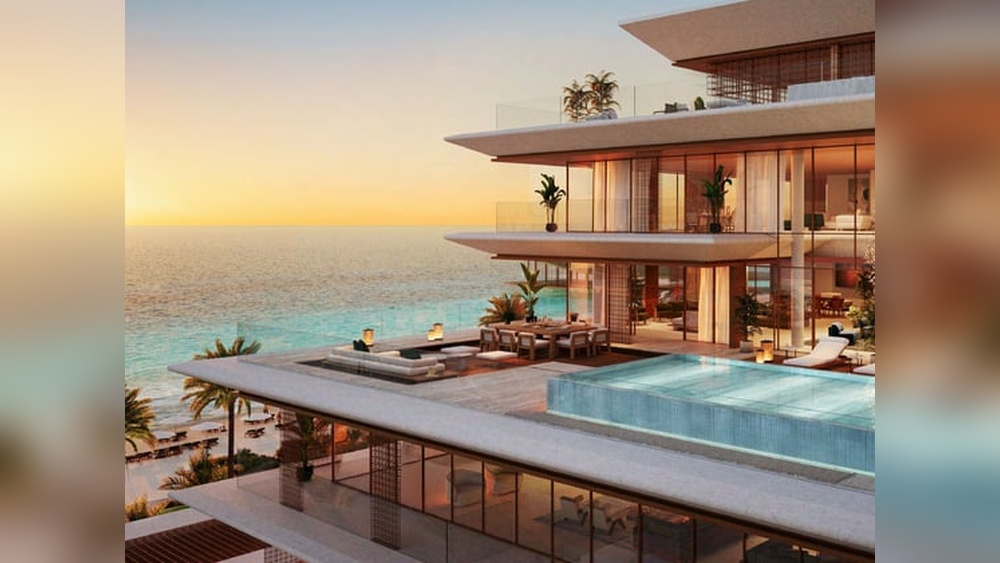
Credit: sandsofwealth.com
Investment Opportunities
Investment opportunities in Abu Dhabi’s residential property market continue to draw attention in 2026. The city offers a stable environment for investors seeking steady returns. Careful choice of location and project type can lead to significant benefits.
Understanding key areas and upcoming projects is vital. Assessing risks alongside rewards helps in making informed decisions. This section highlights important factors for investors in Abu Dhabi.
High-yield Areas
Certain neighborhoods in Abu Dhabi deliver higher rental returns. Areas like Al Reem Island and Saadiyat Island show strong demand. These locations attract professionals and families due to their amenities and connectivity.
Investors find these spots appealing for short and long-term gains. Prices remain competitive, with growth potential in the next few years. Choosing properties here may lead to better income streams.
Upcoming Developments
New residential projects promise fresh investment chances. Developments in Al Maryah Island and Yas Island offer modern designs and facilities. These areas are becoming hubs for business and leisure activities.
Investing early in these projects can result in capital appreciation. Developers often provide attractive payment plans. Staying updated on these launches helps investors spot good deals.
Risks And Rewards
Every investment carries some risk. Market fluctuations and regulatory changes can affect property values. Investors should evaluate these factors carefully before buying.
Reward comes from smart choices and timing. Properties in growing areas with infrastructure plans tend to perform well. Diversifying investments reduces potential losses and improves overall returns.
Technological Impact
Technology shapes the future of Abu Dhabi’s residential property market. It changes how people buy, sell, and live in homes. The impact grows stronger by 2026, making the market smarter and more efficient.
Smart Homes Adoption
Smart homes are becoming common in Abu Dhabi. Buyers prefer homes with automated lighting, security, and climate control. These features increase comfort and save energy. Smart homes also raise property values, attracting tech-savvy buyers. Developers now include smart technology in new projects to meet demand.
Digital Real Estate Platforms
Online platforms simplify property searches and transactions. Buyers can view listings, photos, and virtual tours from anywhere. Digital tools speed up paperwork and communication with agents. These platforms offer convenience and transparency. Sellers reach more buyers, boosting market activity and price competition.
Data-driven Market Insights
Data analysis guides buyers and sellers in Abu Dhabi. Market trends, price changes, and demand patterns become clearer. Investors use data to choose profitable locations and property types. Real estate agents provide better advice based on up-to-date information. This helps stabilize prices and reduce risks in 2026.
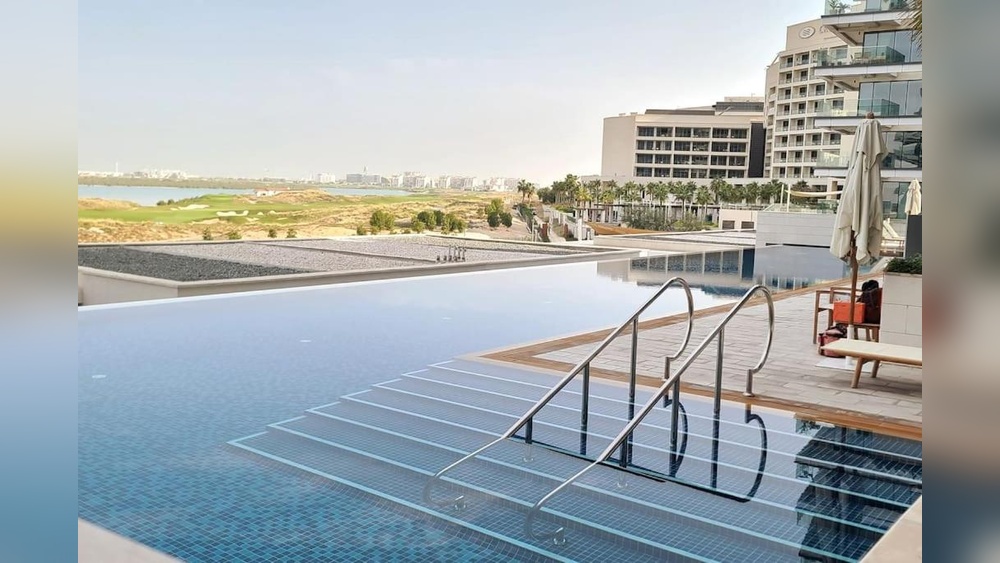
Credit: www.booking.com
Frequently Asked Questions
What Is The Real Estate Forecast For Abu Dhabi In 2026?
Abu Dhabi’s real estate forecast for 2026 predicts steady growth driven by infrastructure projects and increasing demand. Prices and rental yields will rise moderately.
Will Housing Prices Decrease In 2026?
Housing prices in 2026 may vary by location and market trends. Economic factors and demand influence price changes. Stay updated with local market forecasts for accurate predictions.
What Is The Real Estate Trend In Abu Dhabi 2025?
Abu Dhabi’s 2025 real estate trend shows steady growth with rising residential demand and increased investment opportunities. Prices remain stable.
What Is The Property Market Forecast For The Next 5 Years In Dubai?
Dubai’s property market is expected to grow steadily over the next five years. Demand will rise due to economic diversification and population growth. Prices may stabilize with occasional fluctuations. Investment opportunities remain strong, driven by infrastructure projects and Expo 2020 legacy effects.
Rental yields will stay attractive for investors.
Conclusion
Abu Dhabi’s residential property prices in 2026 show steady growth. Demand remains strong due to economic stability and new projects. Buyers and investors should watch market trends closely. Affordable options are available in emerging neighborhoods. Prices vary by location, property type, and amenities offered.
This market offers opportunities for both residents and investors. Staying informed helps make better property decisions. The future of Abu Dhabi real estate looks promising and balanced.