Are you looking to invest in Abu Dhabi’s real estate market? One thing you must know is the growing undersupply of properties that’s reshaping the landscape.
This shortage means demand is outpacing what’s available, pushing prices higher and creating unique opportunities—and challenges—for buyers like you. Understanding why this undersupply is happening and how it affects your investment could be the key to making smarter, more profitable decisions.
Keep reading to uncover what’s driving this trend and how you can navigate Abu Dhabi’s real estate market with confidence.
Credit: www.arabianbusiness.com
Market Supply Shortage
The Abu Dhabi real estate market faces a clear supply shortage. Demand for homes and commercial spaces outpaces the available properties. This imbalance affects many aspects of the market. Buyers and renters experience limited options and increased competition. Developers struggle to meet the rising needs of residents and investors. Understanding this shortage helps grasp the current market dynamics.
Current Supply Vs Demand
The supply of new properties in Abu Dhabi has slowed down. Meanwhile, demand keeps rising steadily. Population growth and economic expansion drive this surge. Many buyers look for homes but find few suitable options. Developers focus on high-end projects, leaving gaps in other segments. The mismatch creates pressure on the housing market.
Impact On Property Prices
Prices have risen due to limited supply and strong demand. Buyers often pay premiums to secure properties quickly. Rental rates also increase, affecting affordability for many families. Investors see price growth as an opportunity. Yet, this trend may widen the gap between supply and demand. Rising costs could slow down market activity if unchecked.
Affordable Housing Deficit
Affordable housing remains scarce in Abu Dhabi. Most new developments target luxury or mid-range buyers. Lower-income residents face difficulties finding suitable homes. This deficit creates social and economic challenges. Affordable housing projects need more attention and support. Addressing this gap is vital for a balanced market.
Credit: www.thenationalnews.com
Investment Opportunities
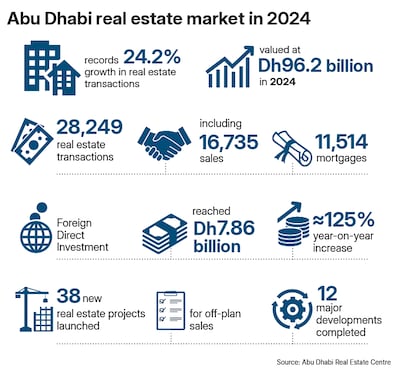
Abu Dhabi’s real estate market shows a clear undersupply. This gap creates unique investment opportunities for buyers and investors. Properties here have strong potential for growth and steady returns. The limited availability means demand often outpaces supply, pushing prices upward. Investors can benefit from this imbalance in several ways.
Long-term Wealth Building
Investing in Abu Dhabi property offers a path to long-term wealth. Property values tend to rise over time in markets with undersupply. Holding real estate here can increase your net worth. Real estate is a tangible asset that often protects against inflation. Buying now may secure higher future returns as the market grows.
Off-plan Property Growth
Off-plan properties are new developments sold before completion. Abu Dhabi’s undersupply boosts demand for these projects. Buying off-plan can lock in lower prices early. Investors may see significant value gains by the time construction finishes. Developers often offer attractive payment plans, easing the buying process. This approach suits buyers seeking capital appreciation.
Cash Flow Potential
Rental income is a key benefit of investing in Abu Dhabi. Due to undersupply, rental demand remains strong. This supports steady cash flow from tenants. Many areas show good rental yields compared to other cities. Positive cash flow can cover mortgage and maintenance costs. Investors enjoy income while waiting for property values to rise.
Market Risks And Considerations
The Abu Dhabi real estate market shows signs of undersupply. This situation creates opportunities but also comes with risks. Investors and buyers must consider several factors before making decisions. Understanding these risks helps avoid unexpected losses and ensures better planning.
High Expenses Impact
Owning property in Abu Dhabi involves high costs. These include maintenance fees, property taxes, and homeowners association charges. These expenses reduce the profit margins for investors. Sometimes, high costs can even turn a good investment into a loss. It is important to calculate all expenses carefully before buying.
Location-specific Challenges
Not all areas in Abu Dhabi perform equally well. Some locations face difficulties such as poor infrastructure or low demand. These challenges affect property value and rental income. Investors should research the neighborhood and its future development plans. Choosing the right location is key to reducing risks in this market.
Vacancy And Maintenance Factors
Vacancy rates can affect returns on investment. High vacancies mean less rental income and higher costs to keep the property in good condition. Maintenance is essential to attract tenants and keep property value stable. Neglecting repairs can lead to long-term losses. Careful management is necessary to minimize vacancy and maintenance risks.
Comparing Abu Dhabi And Dubai
Abu Dhabi and Dubai stand as two major pillars in the UAE real estate sector. Both cities attract investors, residents, and businesses. Yet, their property markets differ significantly in supply and demand dynamics. Abu Dhabi faces an undersupply issue, pushing prices upward. Dubai’s market, by contrast, shows more balanced conditions with varied price movements. Understanding these differences helps investors choose wisely.
Price Trends
Abu Dhabi’s property prices have steadily increased due to limited supply. Buyers compete for fewer available units. This drives prices higher over time. Dubai’s prices fluctuate more often, affected by larger supply and global factors. Some areas in Dubai see price drops, others see growth. Overall, Abu Dhabi shows more consistent price rises.
Market Stability
Abu Dhabi offers a more stable market with fewer sudden changes. The undersupply supports steady demand and price growth. Dubai’s market is more volatile, with sharp rises and falls. This happens as Dubai often launches many new projects. The higher supply can lead to oversupply, causing price corrections. Abu Dhabi’s market stability appeals to cautious investors.
Investment Viability
Investing in Abu Dhabi promises long-term value growth due to undersupply. Properties are likely to appreciate as demand outpaces supply. Dubai offers more options but with higher risk and potential price swings. Short-term gains may be possible in Dubai’s dynamic market. Abu Dhabi suits investors seeking steady returns and less market risk.
Future Market Predictions
The future of Abu Dhabi’s real estate market shows clear signs of change. Demand continues to rise, but supply remains limited. This gap creates opportunities and challenges in equal measure. Understanding what lies ahead helps buyers, sellers, and investors make wise decisions.
Growth Phase Indicators
Abu Dhabi is entering a strong growth phase. Population increases and economic diversification fuel housing needs. New infrastructure projects support this expansion. The government’s focus on tourism and business boosts real estate demand. Low inventory levels confirm the market is tight. These signs point to sustained price rises and healthy market activity.
Structural Undersupply Effects
Structural undersupply means the market cannot meet current demand. This leads to higher property prices and rent increases. Buyers face more competition for fewer homes. Developers may delay projects due to cost or regulation challenges. Investors see rising returns but must act quickly. This imbalance can slow market stability but also encourages new development plans.
Expert Forecasts
Experts predict steady growth in Abu Dhabi’s real estate sector. Prices will likely rise but at a controlled pace. Supply shortages may ease slightly with government initiatives. Foreign investment is expected to increase as confidence grows. Market transparency and regulation improvements attract more buyers. Overall, the outlook remains positive with cautious optimism.
Strategies For Investors
Investing in Abu Dhabi’s real estate amid undersupply requires smart strategies. Investors must focus on careful planning and risk management to succeed. Understanding market trends and financial metrics helps avoid costly mistakes. The following practices guide investors through the challenges of this unique market.
Due Diligence Practices
Perform thorough research before any purchase. Verify property titles and legal documents. Check the developer’s reputation and past projects. Assess the location for future growth potential. Investigate local regulations and taxes impacting ownership. Review market reports for supply and demand data. These steps reduce risks and increase confidence.
Screening For Cash Flow
Calculate expected rental income against all expenses. Include maintenance fees, taxes, and management costs. Use the 1% rule as a quick screening tool. This means monthly rent should be at least 1% of the property price. Properties meeting this rule often yield positive cash flow. Remember, this is a guideline, not a guarantee. Consider vacancy rates and market conditions too.
Navigating Market Imbalances
Abu Dhabi faces a supply shortage with rising demand. Investors should target areas with planned infrastructure projects. Early investments in such locations can offer higher returns. Diversify property types to balance risk and opportunity. Monitor government policies affecting real estate development. Adapt strategies as market conditions evolve. Staying flexible helps manage the imbalance effectively.

Credit: thebusinessyear.com
Frequently Asked Questions
What Is The 2% Rule For Property?
The 2% rule states rental income should be at least 2% of the property’s purchase price monthly. It helps investors quickly assess cash flow potential. This rule is a guideline, not a guarantee, and may vary by location and expenses.
Is It A Good Idea To Buy Property In Abu Dhabi?
Buying property in Abu Dhabi is a smart investment due to strong demand and limited supply. Prices show steady growth, offering long-term value.
When Did Dubai Property Market Crash?
Dubai’s property market crashed in 2008 due to the global financial crisis. Prices dropped sharply and recovery took years.
Is 40,000 Aed A Good Salary In Abu Dhabi?
A 40,000 AED monthly salary in Abu Dhabi is considered very good. It covers living expenses comfortably and allows savings.
Conclusion
Abu Dhabi’s real estate market faces a clear undersupply challenge. Demand grows faster than new properties appear. This gap pushes property prices higher and limits choices. Buyers and investors should watch market trends closely. Planning and timely decisions can help navigate this tight market.
Understanding supply shortages aids in making smart property moves. The market’s future depends on how supply meets rising demand. Stay informed to take advantage of emerging opportunities.